
What to look for in a new security system
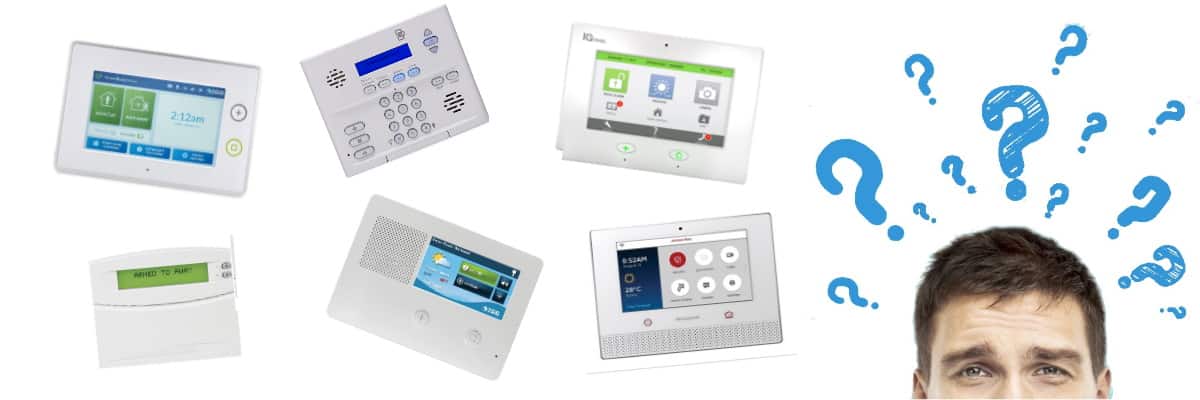
What to look for in a home security system
Choosing a home security system requires balancing hardware components, monitoring preferences, and smart integration to fit your specific property and lifestyle. Modern systems have evolved from simple alarms to intelligent networks that can distinguish between family members and threats while managing environmental hazards like fire and floods.
Core Hardware Components
A comprehensive system typically starts with a central hub and scales based on your home's size.
Sensors: Essential for entry points. Look for magnetic contact sensors for doors and windows, and motion detectors with adjustable sensitivity to ignore pets. Specialized sensors like glass break detectors are recommended for first-floor rooms with many windows.
Life-Safety Detectors: Look for systems that integrate smoke, carbon monoxide (CO), and water leak detectors. These provide early warnings for non-criminal emergencies, which can often cause more damage than break-ins.
Deterrents: High-decibel sirens (often around 100-104 dB) and visible yard signs or stickers act as immediate psychological deterrents to intruders.
Monitoring and Response Options
How the system reacts to a trigger is often as important as the hardware itself.
Professional Monitoring: Trained agents watch your system 24/7 and can dispatch emergency services directly.
Self-Monitoring: You receive alerts directly to your smartphone and are responsible for calling the authorities.
Redundancy Features: Ensure the system has battery backup (lasting up to 24 hours) and cellular backup. These keep your security active even if a burglar cuts your internet line or the power goes out.
Additional optional features
App Control: A high-quality mobile app should allow you to arm/disarm the system and receive real-time push notifications.
Smart Integration: Look for compatibility with platforms like Amazon Alexa, Google Assistant, or Apple HomeKit. This allows for voice control and automated routines, such as locking smart locks and turning on lights when an alarm is triggered.
Advanced AI: Newer systems use facial recognition to identify known visitors and geofencing to automatically arm the system when you leave your home's radius.
Installation Styles
DIY Installation: Products that are designed for easy, wire-free setup that can often be completed in under 30 minutes. These are ideal for renters.
Professional Installation: Recommended for complex, hardwired systems or large properties where precise sensor and camera placement is critical to avoid "blind spots" and false alarms.
Give us a call to help you navigate Security System options to find the perfect system for your home or business.